
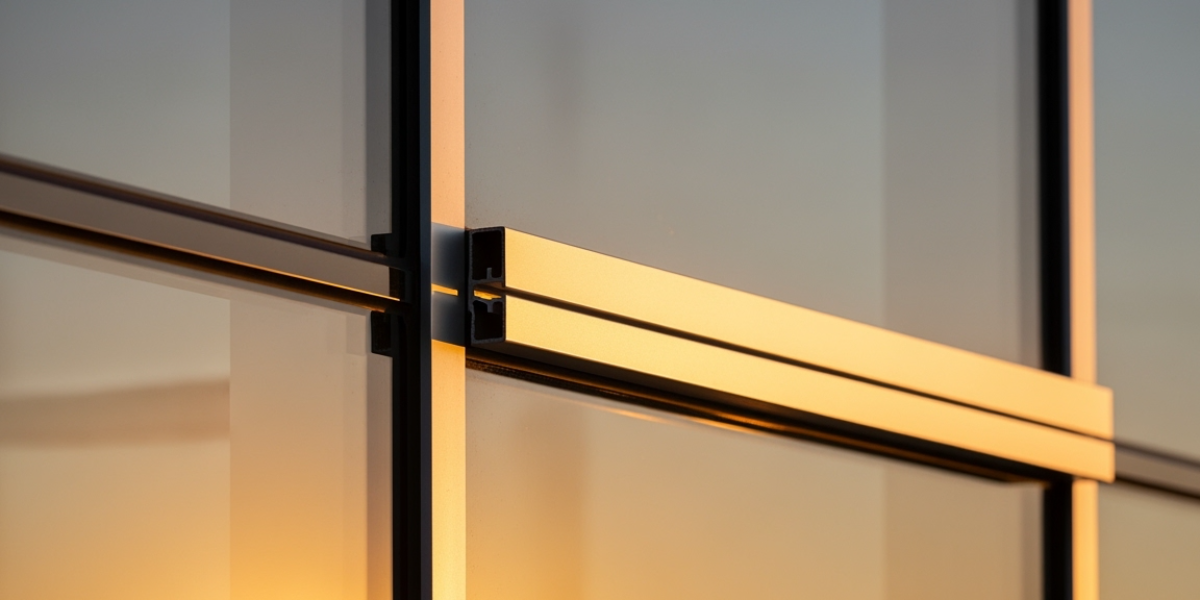
Walk past almost any modern building and you’ll see lines doing more work than they get credit for. Clean verticals. Narrow frames. Grids that organize big sheets of glass. Those lines are often mullions, and when they’re designed well, you barely notice them. When they’re damaged, out of alignment, leaking, or poorly maintained, you notice fast.
That’s why window mullion services matter. They sit at the intersection of structure, weather protection, energy performance, and appearance. A mullion can help hold glazing in place, divide large openings into manageable sections, support adjacent units, and shape the whole look of a facade or interior window wall. It is a small word for a part that does a lot.
If you’ve ever wondered what mullion work actually includes, or how to tell whether a mullion needs repair, refinishing, or full replacement, this guide breaks it down without the jargon getting in the way.
What a window mullion actually is
A mullion is a vertical member that separates window units or sections of glazing. In simple terms, it is the upright divider between adjacent windows or glass panels. In many systems, it also helps carry loads from wind, glass weight, or the frame around it.
People mix up mullions and muntins all the time. Fair enough. The words sound similar and they both divide glass visually. The difference is practical:
- A mullion separates whole window units or large glazed sections.
- A muntin is a smaller bar that divides glass within a sash or simulates divided lites.
In modern buildings, the distinction matters because mullions are often structural or semi-structural. They are not just decorative strips. In curtain wall systems, storefront assemblies, window walls, and some residential designs with large openings, mullions are a real part of the building envelope.
That means service work on mullions is rarely cosmetic only. A scratch can be cosmetic. A failed sealant joint, corroded aluminum, split wood core, loose pressure plate, or bowed frame is something else.
Why mullions matter more in modern buildings
Modern architecture tends to ask a lot from windows. Bigger glass. Slimmer sightlines. Better thermal performance. Tighter air and water control. Less tolerance for visual flaws. That puts pressure on mullions, literally and figuratively.
Here’s what mullions are expected to do.
They help manage structural loads
Wind does not care how elegant a facade looks. Large glazed openings need framing members that can resist deflection and keep glass stable under pressure. Mullions often take that load and transfer it into the surrounding structure.
On low-rise buildings, that may be fairly straightforward. On taller buildings or exposed facades, it gets more technical. The mullion size, depth, material, anchoring, and spacing all affect performance.
They influence water and air control
A well-built window system keeps rain out and limits uncontrolled air leakage. Mullions are full of joints, seals, gaskets, fasteners, and interfaces with glazing. If one part fails, water often finds the path before anyone else does.
Leaks around mullions can show up far from the actual failure point. That’s one reason these issues get misdiagnosed. A stain on drywall might start with a failed seal at a mullion cap two floors up.
They affect energy performance
In modern buildings, thermal efficiency is not a side issue. Mullions can become thermal bridges, especially in metal-framed systems. If they conduct heat or cold too easily, you can end up with condensation, occupant discomfort, and wasted energy.
That is why many newer systems use thermal breaks, insulated profiles, better spacers, and more advanced glazing details. Service work sometimes includes upgrading older mullion assemblies to improve performance, not just fixing visible damage.
They shape the design
This part is easy to overlook because it feels obvious. Mullions define rhythm. They influence how a building reads from the street and how a room feels from the inside. Thick mullions can make glazing look heavy. Slim mullions can make it feel almost frameless. Misaligned mullions can make even an expensive building look off.
People react to these details instinctively. They may not know the term “mullion,” but they know when the window wall looks crooked.
What window mullion services usually include
“Mullion service” is not one single task. It is a category of inspection, repair, restoration, and replacement work. The actual scope depends on the material, the age of the building, and the type of window or facade system.
Inspection and condition assessment
This is the starting point, and honestly, it deserves more respect than it gets. Good assessment can save a building owner from replacing parts that only need repair, or from patching parts that are already failing beyond recovery.
An assessment may look at:
- visible corrosion, cracking, warping, or movement
- failed sealants and gaskets
- water intrusion patterns
- glazing bead condition
- paint or coating breakdown
- fastener problems
- thermal bridging and condensation issues
- alignment with adjacent frames and panels
In larger commercial buildings, this sometimes includes water testing, thermal imaging, or selective disassembly.
Mullion repair
Repair work keeps as much of the existing assembly as possible. That might include straightening minor distortion, treating localized corrosion, replacing damaged trim covers, splicing in sections, renewing sealant, or fixing connections that have loosened over time.
For wood mullions, repair can involve epoxy consolidation, patching deteriorated areas, sanding, and repainting or refinishing. For aluminum or steel, the focus is often on corrosion control, coating repair, hardware replacement, and joint restoration.
Repair makes sense when the core member is still sound and the problem is limited.
Sealant and gasket replacement
This is one of the most common service needs. Sealants age. Gaskets shrink, harden, tear, or lose elasticity. Once that happens, water and air move in places they shouldn’t.
Replacing sealants is not glamorous work, but it matters. Surface prep, compatibility, joint design, cure conditions, and clean application all affect how long the fix lasts. A sloppy bead of caulk may look finished for a month and fail much sooner than expected.
Refinishing and coating restoration
Modern mullions are often finished to match the facade or interior style. Over time, UV exposure, moisture, pollution, abrasion, and cleaning chemicals can break down coatings.
Refinishing may include:
- cleaning and decontamination
- removal of loose paint or oxidation
- surface repair
- primer application
- repainting or recoating
- protective finishes for wood or metal
This kind of work is partly aesthetic, but not only aesthetic. A failed coating can expose the substrate to deeper damage.
Mullion replacement
Replacement is the bigger step. It comes into play when the mullion has lost structural integrity, the system has persistent leakage that repair can’t solve, corrosion is widespread, or the assembly no longer meets performance needs.
Replacement can involve one member, a set of members, or an entire glazed section. In some buildings, you can replace snap covers, pressure plates, or interior caps without replacing the whole frame. In others, partial replacement is not practical because the system components are too interdependent.
Retrofit and performance upgrades
Some service projects are driven less by damage and more by expectations. A building owner may want better thermal performance, reduced condensation, improved acoustics, or a cleaner look.
Retrofit work can include adding thermal improvements, updating glazing interfaces, swapping outdated profiles, or integrating new finishes that better suit a renovation.
Common mullion materials and how they age
Different materials fail in different ways. That sounds obvious, but it shapes the repair plan.
Aluminum
Aluminum is common in modern commercial buildings because it is light, durable, and workable. It also supports clean, narrow profiles. The catch is thermal conductivity. Without a thermal break, aluminum can transfer heat and cold very efficiently.
Typical problems include corrosion at dissimilar metal contact points, finish breakdown, denting, failed sealant joints, and condensation around cold bridges.
Steel
Steel mullions can be very strong and slender, which designers love. They can also rust if protective coatings fail. Once corrosion starts, it can expand, stain nearby finishes, and weaken the section.
Service work often involves rust removal, coating repair, seal restoration, and sometimes more invasive replacement if the corrosion has gone deep.
Wood
Wood mullions are less common in glass-heavy commercial facades but still appear in residential and mixed-use settings, especially where warmth and detail matter. Wood can be beautiful. It can also swell, split, rot, or shift if moisture gets in repeatedly.
Good maintenance makes a huge difference with wood. Neglected finishes usually lead to bigger repairs later.
Fiberglass and composites
These materials hold up well, resist corrosion, and often perform better thermally than plain metal. They still need service, usually for joint movement, surface wear, hardware interface issues, or impact damage.
Signs a mullion needs attention
Some problems are obvious. Others hide for a while. If any of these show up, the mullion assembly deserves a closer look.
Water stains or interior leaks
This is the classic red flag. The tricky part is that leaks are sneaky. Water can travel along framing and show up well away from the actual entry point.
Condensation that keeps returning
A little seasonal condensation is one thing. Constant moisture around mullions can point to thermal bridging, failed insulating elements, or air leakage.
Visible movement or misalignment
If vertical lines that used to look straight now look bowed, stepped, or uneven, the issue may be more than cosmetic.
Cracks, corrosion, or soft spots
Metal pitting, bubbling paint, rust staining, split wood grain, and soft areas all suggest deterioration in progress.
Drafts and temperature swings near the window
Occupants usually notice comfort issues before anyone notices the technical cause. If a glazed area feels cold, drafty, or hard to keep stable, the mullion and surrounding seals are worth checking.
How a mullion service project usually unfolds
The process varies by building type, but most projects follow the same broad path.
First comes diagnosis. That means identifying whether the problem is structural, weather-related, finish-related, or some mix of all three. Jumping straight to a patch is where people waste money.
Then comes scope definition. Which members are affected? Are compatible replacement parts available? Does the glazing need to come out? Will surrounding finishes be disturbed? In occupied buildings, access and sequencing matter almost as much as the repair itself.
After that, the actual work begins. Depending on the system, crews may remove trim covers, pressure plates, sealants, glazing stops, or adjacent finishes to reach the damaged area. The repair or replacement happens, then everything gets reassembled, resealed, and checked.
The final step should be verification. Water testing, alignment checks, finish review, and close visual inspection are worth doing before the scaffold comes down or the interior protection gets removed.
It sounds methodical because it is. Mullion work punishes shortcuts.
Repair or replace? The answer is rarely emotional
People often frame this as a simple choice. Repair is cheaper. Replacement is better. Real life is messier.
Repair makes sense when the damage is localized, the system is still fundamentally sound, and matching components or finishes are available. It is usually less disruptive and more budget-friendly.
Replacement makes sense when repairs keep repeating, hidden deterioration is widespread, the mullion no longer performs structurally, or the existing system is outdated enough that patching it turns into a money pit.
I think the smartest question is not “What is the cheapest option today?” It is “Which option is least likely to send us back here in two years?”
That question changes a lot of decisions.
Design details that matter in modern mullion work
Modern buildings often ask mullions to do more while looking like they do less. That tension creates a few recurring issues.
Slim profiles look great, but they leave less room for error. Tolerances matter more. Deflection matters more. Sealant joints matter more.
High-performance glazing improves comfort and efficiency, but it can also change the thermal behavior of the frame. If the glass gets upgraded and the mullion detail does not, condensation can move to a new weak spot.
Mixed materials can solve one problem and create another. Metal, glass, wood, fasteners, membranes, and sealants all expand and contract differently. If those movements are not respected, small failures start stacking up.
There is also the basic issue of access. A mullion detail that looks elegant on a drawing can be awkward to service once the building is occupied. And if maintenance is difficult, maintenance tends not to happen.
Simple maintenance that helps mullions last longer
No one wants to turn window upkeep into a hobby, but a little routine attention goes a long way.
Clean frames with products appropriate for the finish. Harsh chemicals can damage coatings and gaskets faster than weather does.
Inspect sealant joints periodically, especially after major storms or freeze-thaw cycles.
Watch for early staining, paint failure, or movement near joints. Small visual changes often show up before leaks become obvious.
Keep drainage paths clear in systems designed to weep water out. Blocked drainage can force moisture into places it should never stay.
For wood mullions, stay ahead of finish wear. Once moisture gets past a failed coating, repair costs climb quickly.
Final thoughts
Window mullion services sound specialized because they are. But the basic idea is simple. Mullions hold things together, keep weather out, affect comfort, and shape how a building looks. When they fail, the symptoms can show up as leaks, drafts, staining, condensation, or that nagging feeling that something about the windows looks off.
In modern buildings, where glass areas are bigger and performance expectations are higher, mullions do not have much room for sloppiness. Good service work respects both sides of the job: the visible finish and the hidden technical detail.
If there’s one takeaway worth keeping, it’s this: mullion problems are easier to fix when they’re small. Once moisture, movement, or corrosion gets time to settle in, the repair usually gets more invasive, more expensive, and more annoying for everyone involved.
That may not be dramatic, but in building maintenance, boring early action beats exciting late discovery every time.